
Unforgettable Experiences
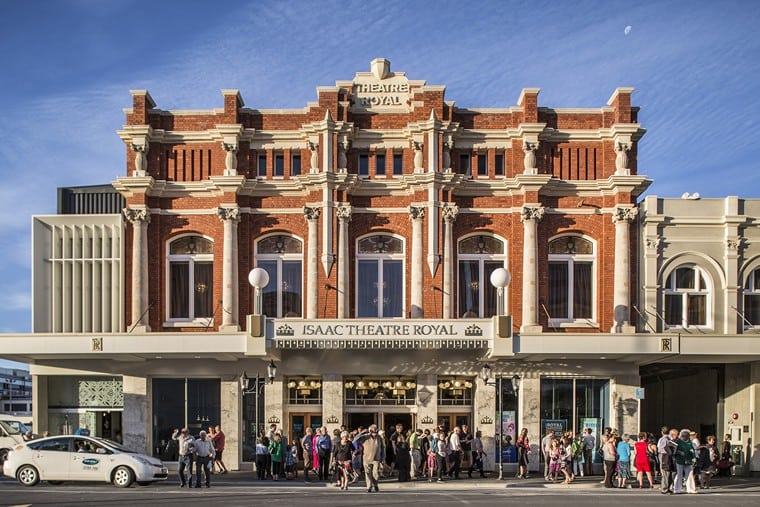
The Isaac Theatre Royal is the spiritual heart of Canterbury’s arts scene; an iconic theatrical venue that has played host to spectacular shows and spellbound audiences for more than a century.
Over the years, its unique ambience and its exceptional acoustics have attracted some of the world’s most acclaimed entertainers and storytellers, and some of the world’s most-loved plays and musicals; operas and orchestras; concerts, ballets and comedic performances.
Like the shows it hosts, the theatre is an amalgam of the old and the new; a beguiling blend of classic architecture and modern comfort. Every event is unique, every occasion is distinctive. And every visit to the Isaac Theatre Royal delivers a truly unforgettable experience.
Theatre History and Ownership
The First 100 Years of the Theatre Royal
The Isaac Theatre Royal is an entertainment venue that can take you by surprise. So absorbed with finding your way to your seat, you don’t pay much attention to the surroundings – until you sit down and look up.
They don’t make them like this anymore, anywhere. The ITR is a superb and beautifully restored heritage theatre, boasting a decor and atmosphere modern theatres will never capture. With Edwardian architecture at its core, the building has been developed and added to over the years (and recently completely rebuilt), but all who have worked on it have strived to keep the spirit of the theatre alive, so that the performers have the best possible venue to work with, and the audience has the best possible experience.
And there have been many, many performers in the ITR’s one hundred years of treasured shows, actors, music, and drama. The history of this well-loved theatre is as colourful as the variety of entertainment which has been presented in it. Over the years wrestlers and boxers attracted their fans, their seasons often immediately followed by concert artists or ballet companies, early moving pictures – in fact, every type of entertainment imaginable.
But more about that later. Let’s look at the history of the space where it all happens first.
The early Theatre Royals
There have been three Theatre Royals in Christchurch. The first was a wooden building opened in Gloucester Street in 1863, over the road from the present building. Originally called the Canterbury Music Hall, it later became the Royal Princess Theatre and then, after refurbishment, the Theatre Royal. It served for many years, but a better facility was wanted, so it was replaced on the same site with a new building, also made of wood. This second theatre was a new and much improved performance structure, designed by Christchurch architect A.W. Simpson. It opened on 4 November 1876, and operated for several decades until plans for a bigger theatre were hatched.
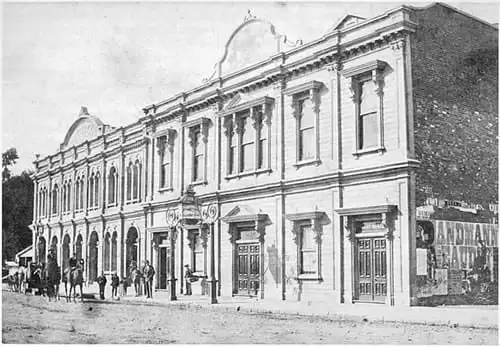
The second Theatre Royal on the South-side of Gloucester Street.
Third time lucky
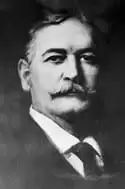 The third Theatre Royal was owned and managed by the mighty J.C. Williamson Theatres Limited, which was a theatre company operating in Australia and New Zealand in the 1900s. It was owned by James Cassium Williamson, an American actor who first arrived in Australia in 1874. Williamson soon established himself as an Australian and New Zealand theatre entrepreneur, growing a successful empire that in its hey-day owned or leased six theatres in Australia and three in New Zealand, and brought Australasian audiences the finest theatre and some of the greatest theatrical names in the world.
The New Zealand theatres included His Majesty’s Theatre in Auckland (demolished in the 1987 property development boom), the Grand Opera House in Wellington and the Theatre Royal in Christchurch.
When work on the third incarnation began on 20 November 1906 the Christchurch Press confidently stated that the building would be ‘one of the most modern and comfortable south of the line’. The Australian brothers Sydney and A.E. Luttrell designed the original French Renaissance-style building, and acted as architects and structural engineers during its 15-month construction.
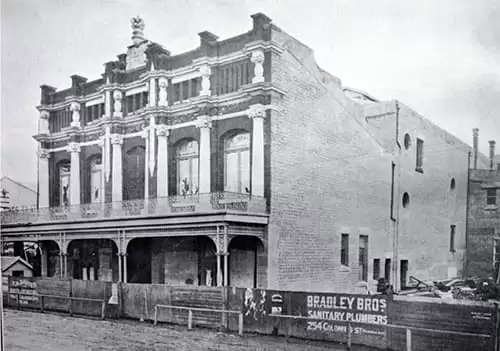
The Theatre Royal in 1907: Image: Christchurch City Libraries
The third Theatre Royal was opened in February 1908 with a performance of “The Blue Moon” by the Williamson Musical Comedy Company. The house was packed.
With its then traditional horseshoe-shaped dress circle and gallery, and elaborate fibrous plaster decoration of walls and painted dome, the Theatre Royal was considered at the time one of the best of its type in the southern hemisphere. Special attention was paid to acoustics and the theatre to this day enjoys a fine reputation for sound quality.
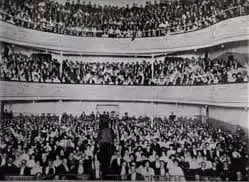
In 1928 the Royal underwent a huge upgrading, partly with a view to the screening of films. In a specified 14 weeks – to the day – and at times employing as many as 260 men, the contractors completed a total rebuilding of the interior. Only the dome remained untouched, famous for its Italianate painting of scenes from “A Midsummer Night’s Dream”, by G.C. Post of the Carrara Ceiling Company of Wellington (not Christchurch artist William Williams as has been quoted elsewhere).
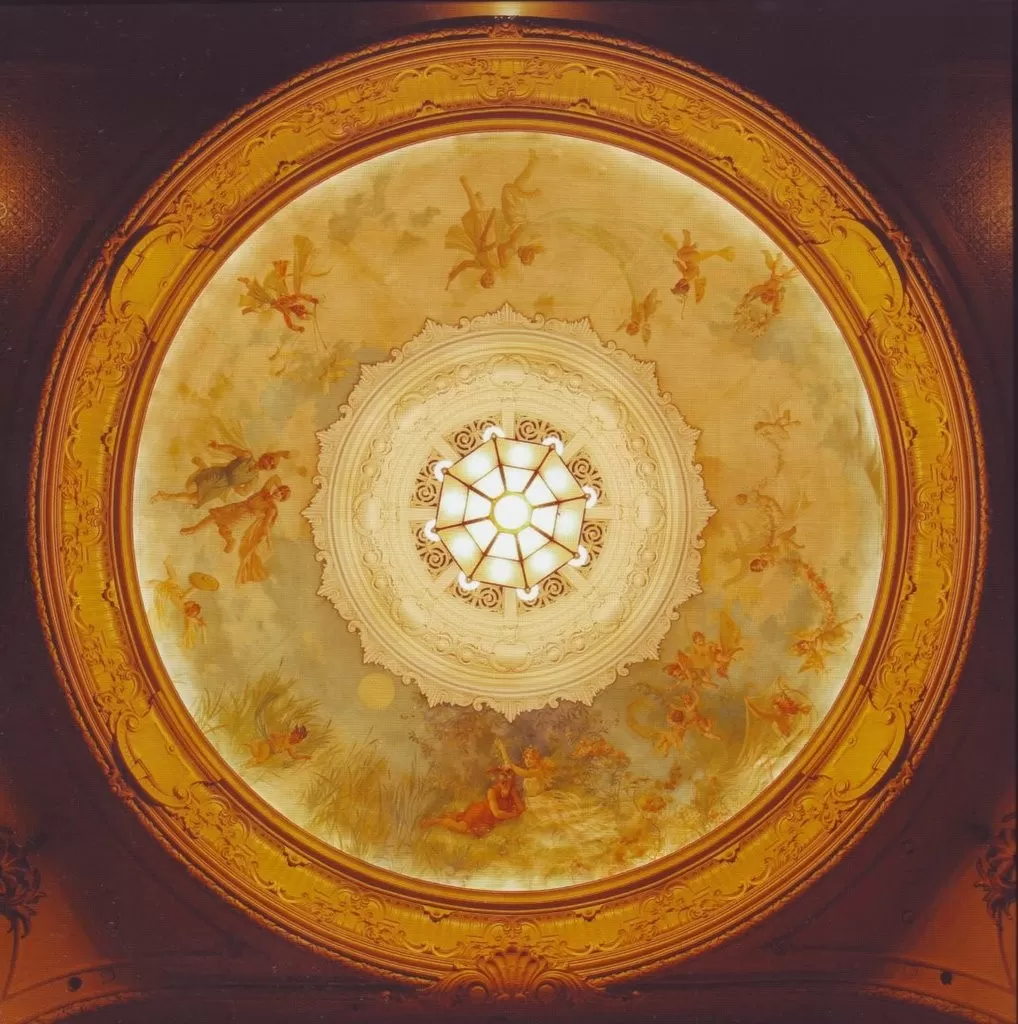
In 1928 the Royal underwent a huge upgrading, partly with a view to the screening of films. In a specified 14 weeks – to the day – and at times employing as many as 260 men, the contractors completed a total rebuilding of the interior. Only the dome remained untouched, famous for its Italianate painting of scenes from “A Midsummer Night’s Dream”, by G.C. Post of the Carrara Ceiling Company of Wellington (not Christchurch artist William Williams as has been quoted elsewhere).
“…we were running the whole thing on a shoestring. We jogged along covering costs and there were a lot of crisis, but we managed to survive. The stage was inadequate but the thing was, we had saved the theatre.”
Between the years 1998 and 2000 improvements included the enlarging and refurbishing of the circle foyer, relocating toilets and administration offices, and major earthquake and fire protection work throughout the building.
It limped along in this fashion for a decade until it became clear that the business couldn’t keep pace with the necessary restoration work. Bookings were declining, the backstage was deteriorating, and the theatre was no longer meeting the expectations of hirers and audiences.
2004–2005 redevelopment
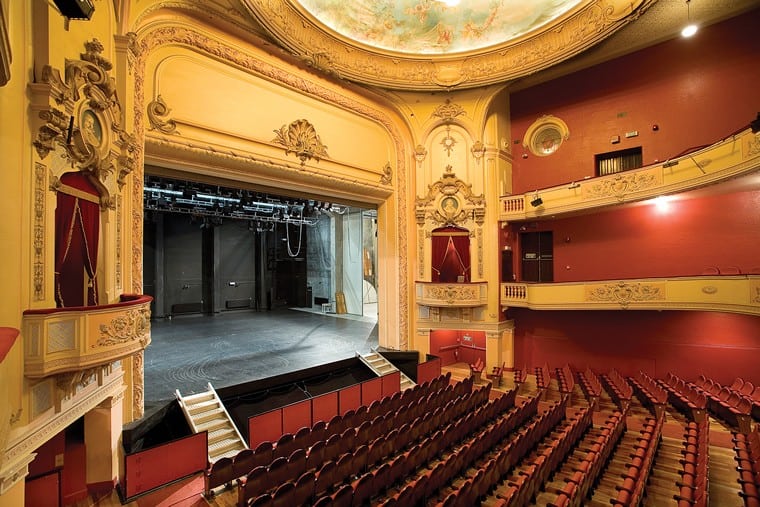
The redevelopment was undertaken in two stages, run simultaneously over a nine-month period from 2004 to 2005 and costing $6.2 million.
The first stage was the demolition from the Proscenium back of the original brick fly tower and dressing room structure, to make way for the new, much larger modern concrete fly tower and dressing room facilities. The Proscenium was widened by 1.5m and the stage and fly tower were made wider and deeper.
Stage two involved the upgrading of facilities within the existing heritage-listed public ‘front of house’ areas. Increased entertaining and refreshment facilities, additional toilet facilities and replacement of and increased seating were provided.
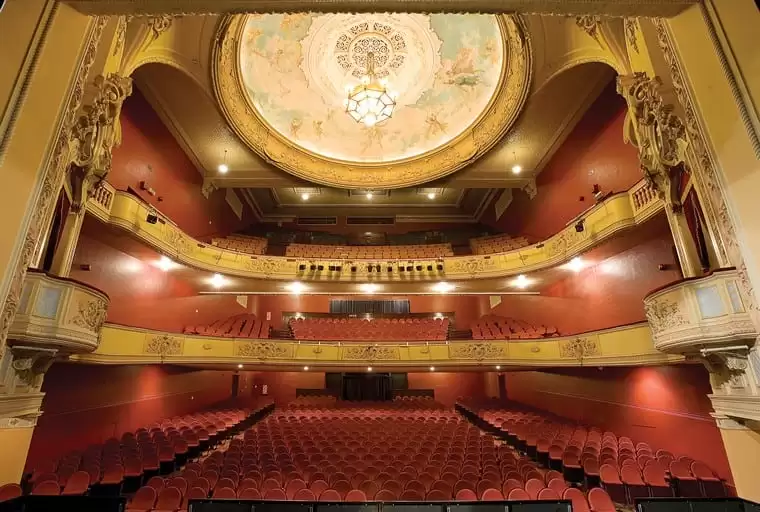
Rebuilding and restoration of the Theatre after the 2011 earthquakes
The ITR was subjected to severe shaking during the earthquakes of 22nd February and 13th June 2011 and sustained considerable damage; this damage was exacerbated by the constant and frequent aftershocks throughout 2011 and subsequent significant earthquake of 23rd December 2011. The Back of House and Stage House, which were newly built in 2004/05, suffered only moderate damage and were repaired, but the 1908 auditorium and 1928 foyer spaces were not considered repairable in their original form, due to the dangerous nature of the original un-reinforced masonry walls.
It is noteworthy that the structural earthquake strengthening carried out in 1999/2000 prevented complete collapse of the Theatre and enabled the retrieval and salvage of key heritage items and stabilisation of the Edwardian façade prior to deconstruction. All heritage fabric was retained, restored and/or reinstated.
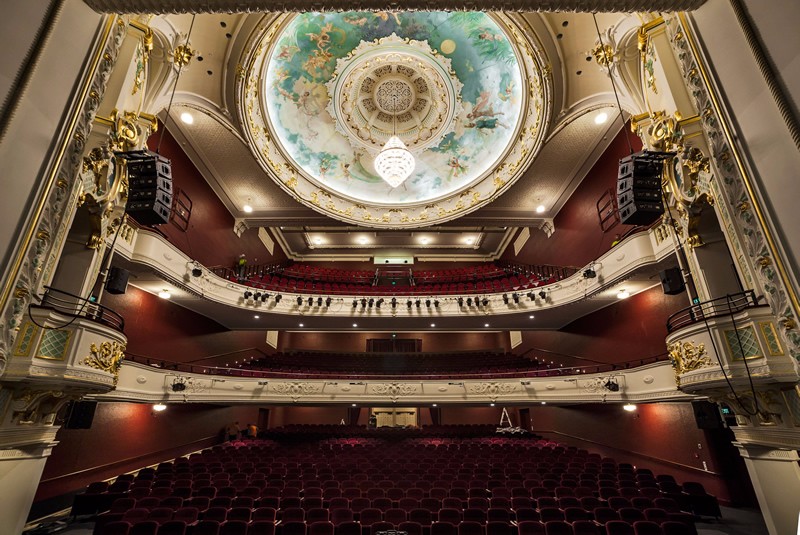
The Isaac Theatre Royal (ITR) has long been the premiere performing arts venue in Canterbury, a region which polls consistently show has the second highest number of attendees at performing arts in New Zealand. A healthy arts sector is integral to a diverse and exciting community. The Isaac Theatre Royal’s rebuild plays a key role in the recovery of the city and region, especially in the performing arts sector, and is highly regarded as an inspirational example of hope in the emotional mind-set of Cantabrians.
The Theatre re-opened on 17 November 2014. The project was significantly more elaborate in design and complexity of construction than originally estimated, with the Theatre essentially being rebuilt from Façade to Proscenium Arch. The rebuild and restoration had significant challenges throughout, making it one of the most intricate building projects in the earthquake damaged Christchurch CBD with an overall rebuild cost of NZ$40M.
Read more about the re-build and see photos of the damage and rebuilding of the Theatre.
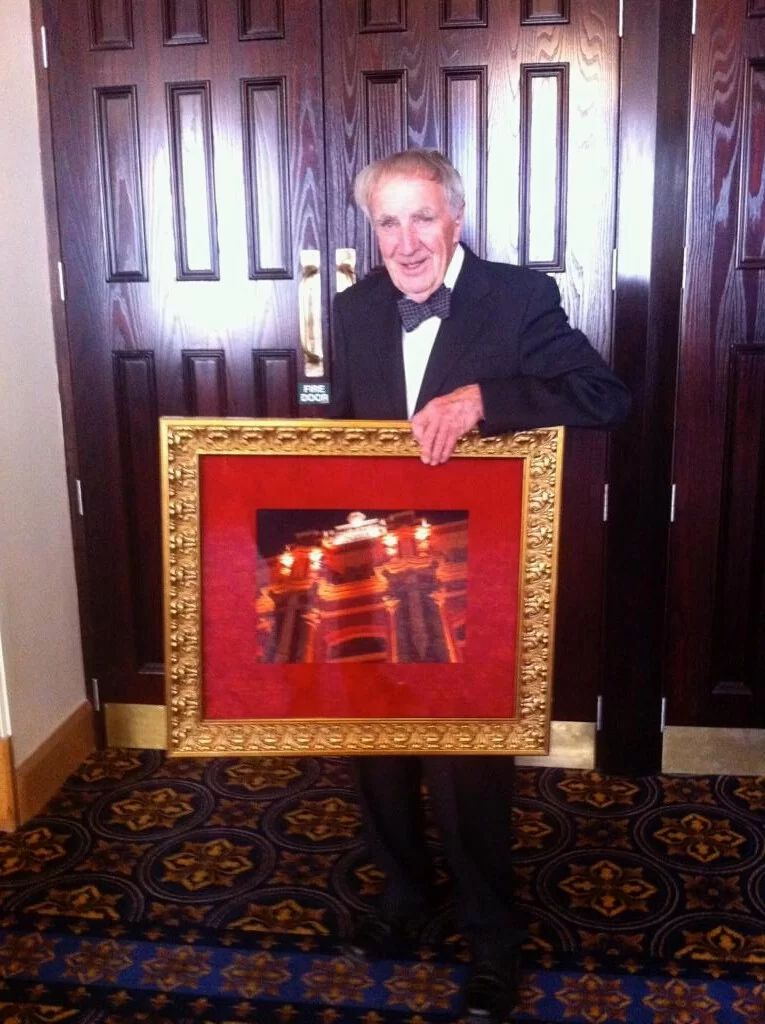
SIR MILES WARREN: 1929-2022
The Isaac Theatre Royal is devastated to hear of the passing of the great Sir Miles Warren. Sir Miles was one of the Seven Founding Fathers of the theatre back in 1980, saving her from demolition and going on to be the Head Architect in the restoration process.
Sir Miles’ passion for bringing the theatre back to life was immeasurable, doing deals and twisting arms to upgrade the abandoned, neglected and dust-covered faded glory of the interior. From there, Sir Miles’ involvement with the Theatre spanned across 35-years. He was a member of the Theatre Royal Charitable Trust since its inception in 1980, he became the first Chairman of the Theatre Royal Charitable Foundation and led the Backstage Redevelopment in 2004/2005.
The legacy Sir Miles has left at the Isaac Theatre Royal will now be forever enjoyed by our community as we continue to provide unforgettable experiences. Patrons will also continue to have the great privilege of being hosted in the Sir Miles Warren Royal Box, named after the architectural genius in 2014 following the re-opening of the theatre post-earthquakes.
The Isaac Theatre Royal will forever be indebted to the expertise, passion and dedication Sir Miles showed throughout his 35-year involvement with the theatre. Indeed, without Sir Miles, the ITR would not be standing today.
Our heartfelt thoughts go out to Sir Miles’ family and friends during this time.
Moe mai rā e te Rangatira.
Arohanui, Sir Miles. Rest in peace.
DIANA, LADY ISAAC: 1921-2012
The Board, Trustees and Management of Isaac Theatre Royal offer their sincere condolences and deepest sympathy to family, friends and colleagues of the wonderful and much-loved DIANA, LADY ISAAC who sadly passed away on Friday 23 November 2012, peacefully in her sleep, aged 91.
The Theatre Royal in Christchurch which bears her name will be eternally grateful for her generous support during the 2004/2005 refurbishment. The ongoing rebuild and restoration of the ITR after the earthquakes of 2011 will continue to celebrate and honour her memory for countless future generations.
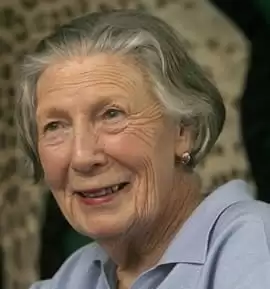
Tributes have been led by Prime Minister John Key saying “…she was an outstanding champion for Canterbury, the arts and conservation” and that “…her legacy will endure through the Isaac Theatre Royal and the Isaac Centre for Nature Conservation…”.
Lady Isaac was vibrant, generous, witty and gracious. She will be missed immensely, but her philanthropic work will live on for years to come through the many thousands of patrons who walk through the re-opened doors of the restored and rebuilt Isaac Theatre Royal from mid-2014.
Remembering Neil Cox
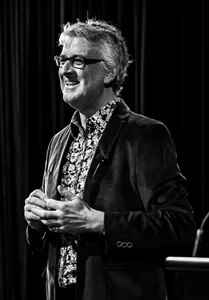 We were deeply saddened at the news of Neil Cox’s passing on October 6th, 2021.
Neil was our Chief Executive Officer from 2009 to 2018. He was a much loved friend, colleague and a man who gave so much of his time to growing the Arts and Events sectors in New Zealand.
Neil was instrumental behind the Isaac Theatre Royal’s rebuild after the 2011 earthquakes, and received numerous accolades for his work to re-open the building. Neil was a driving force within the events, arts and entertainment community across New Zealand. He was awarded the EVANZ Industry Contribution Award, recognising his significant work for the Theatre and the industry at large.
He also received the Arts Access Accolade, awarded to him at Parliament in 2015, for his focus on “our people” and determination to make the theatre accessible for each and every patron coming through our doors, as well as leading the Theatre to earning The Press Champion Canterbury Supreme Small Enterprise Award and the Champion Retail and Hospitality Award in 2016. Our heartfelt thoughts continue to go out to Neil’s family.
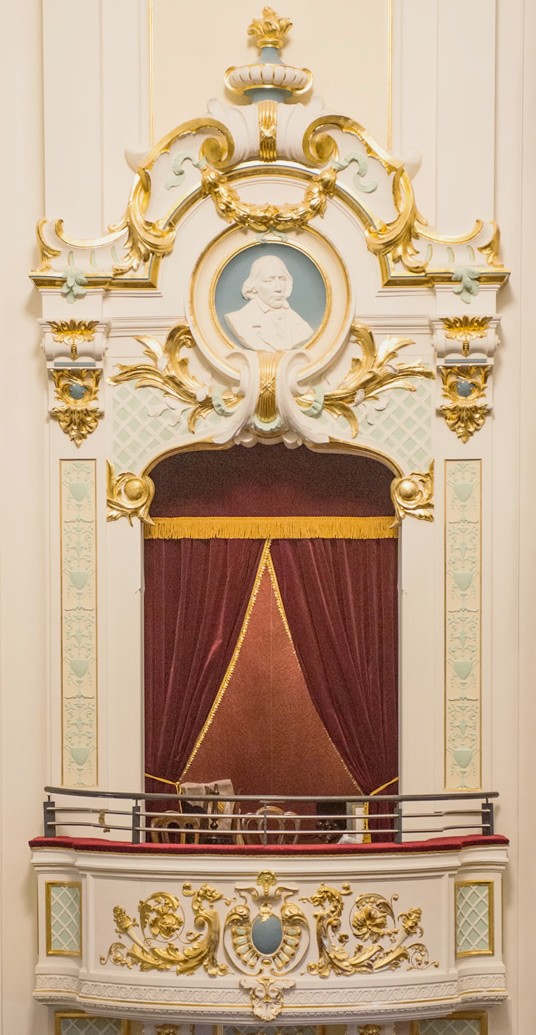
Who are those guys above the royal boxes?
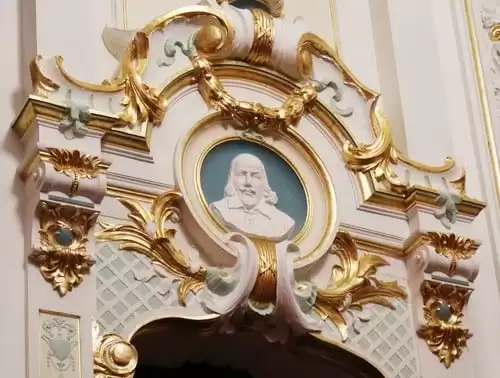
Elizabethan playwright William Shakespeare is above the left-of-stage box, now named “The Sir Ian McKellen Royal Box” in recognition of his outstanding personal support as a renowned and globally celebrated actor. Sir Ian gifted his art to the Theatre Royal with his “Shakespeare, Tolkien and You” 15-show national tour of New Zealand in mid-2012, from which all proceeds were donated towards the rebuild of the theatre after the 2011 earthquakes.
On the right is Sir Henry Irving, the renowned English actor and theatrical manager.
Take the magic of the Theatre home with you
Two books are available about the history of the Isaac Theatre Royal
Recreating the Magic: The rebirth of a Christchurch theatre
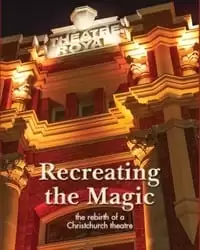
A new book about how the Isaac Theatre Royal was saved, strengthened, restored and enhanced as one of the finest performing arts venues for Christchurch and beyond has been published in 2016. This soft jacket book has over 100 pages and beautiful colour photos.
Written by Dr Anna Crighton, Liz Grant and Dr Ian Lochhead, it tells the story of the restoration and reconstruction of the theatre from the brink of collapse as a result of earthquake damage in 2011 to its triumphant reopening in November 2014, is as dramatic as any production that has taken place on the theatre’s stage. The combined skills of architects and engineers, conservators and craftspeople and an army of construction workers have returned an Edwardian theatrical jewel to its former glory while enhancing the experience of audiences and performers alike.
100pp ~ soft bound with flaps ~ ISBN 9780992251741 ~ $39.95 + Postage.
Published by Clerestory Press, Christchurch
History of the Isaac Theatre Royal book The Theatre Royal, Christchurch
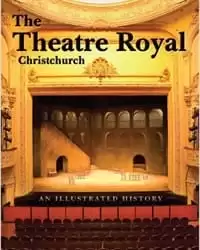
This book traces the story from its beginnings in the late Victorian period, through the dazzle of the J. C. Williamson years to the present day. This is also the story of heroic community action: the saving of an almost derelict theatre in the 1980s and its transformation into a performing arts venue for the 21st century.
The book contains more than 300 illustrations, including rare B&W photographs from collections around the country, glorious colour photographs of the theatre’s splendid interior, and historic posters and material reproduced from theatre programmes down the ages.
Principal contributors: Professor Howard McNaughton, Peter Downes, Adrienne Simpson, Associate Professor Ian Lochhead, Edmund Bohan, Catherine Hurley, Malcolm Douglass, Sir Miles Warren, David Clarkson and Philip Norman.
216pp ~ soft bound with flaps ~ ISBN 9780958288804 ~ $39.95 + Postage. ($20 if purchased with Recreating the magic)
Published by Clerestory Press, Christchurch